
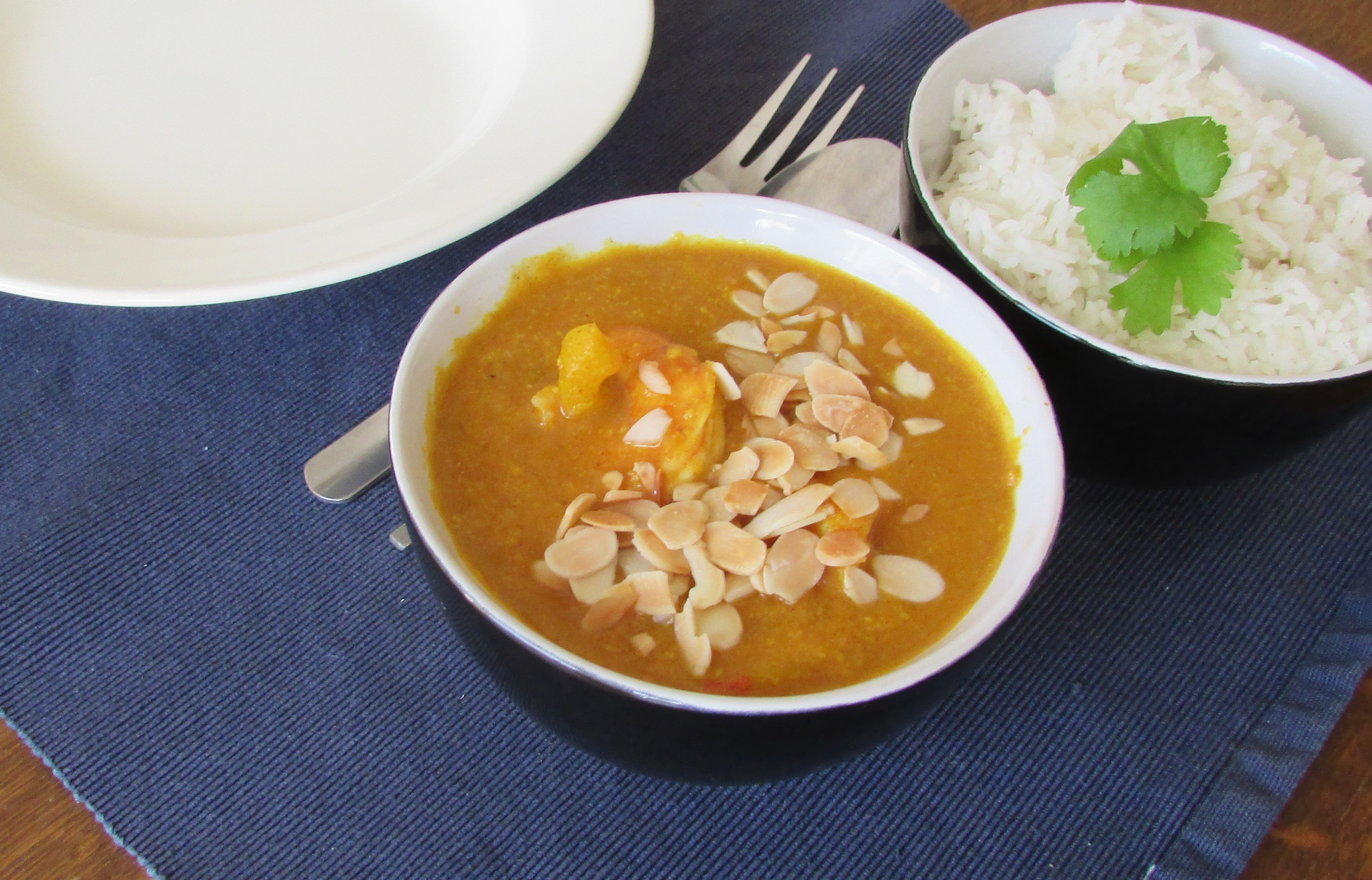
 The Indian takeaway next to our flat in Herne Hill does amazing Butter Chicken and Prawn Naga. (Side note: I’m pretty sure the Naga is actually made with scotch bonnet peppers – but I am a big scotch bonnet fan so I’m more than happy with that.)
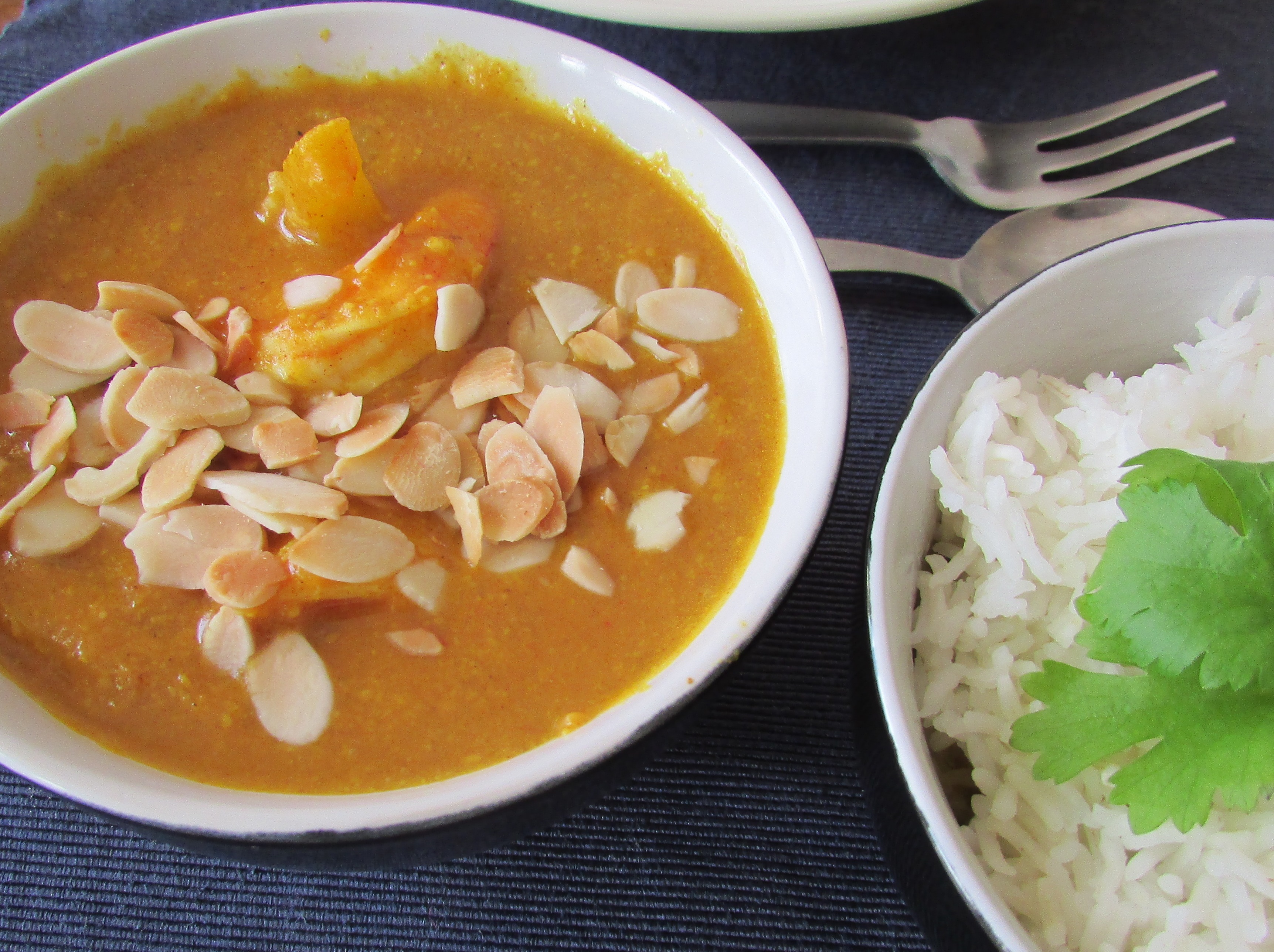
This curry has elements of both dishes – the sweet, cinnamon-y taste of the Butter Chicken and the heat and protein from the Naga dish. It might look a wee bit complicated at first glance but this is a genuinely easy – and very tasty – curry.
Ingredients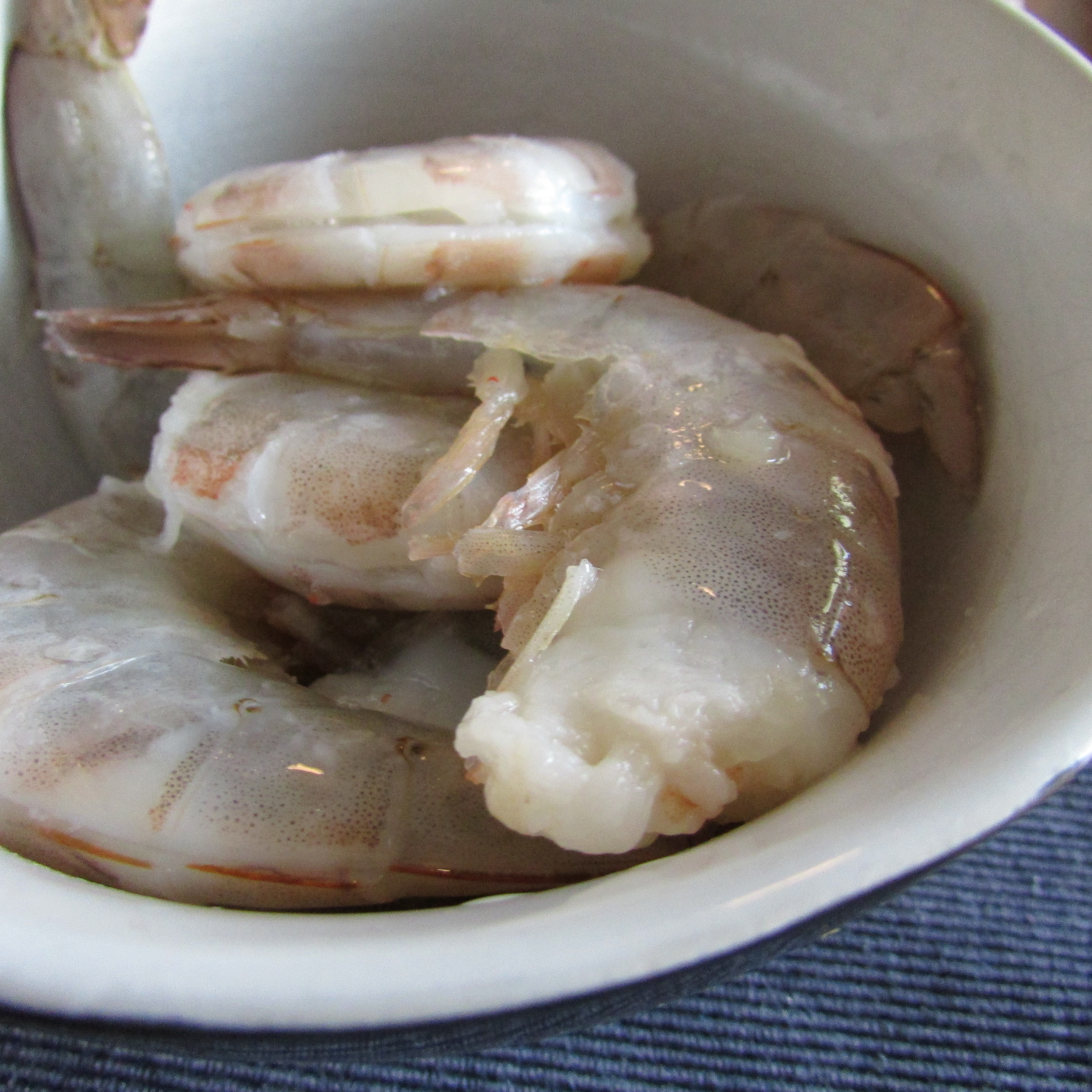
300g prawns
1 mango, peeled and chunked
3 tomatoes, skins removed
3 potatoes, peeled and sliced
1 yellow pepper, sliced
1 onion, sliced 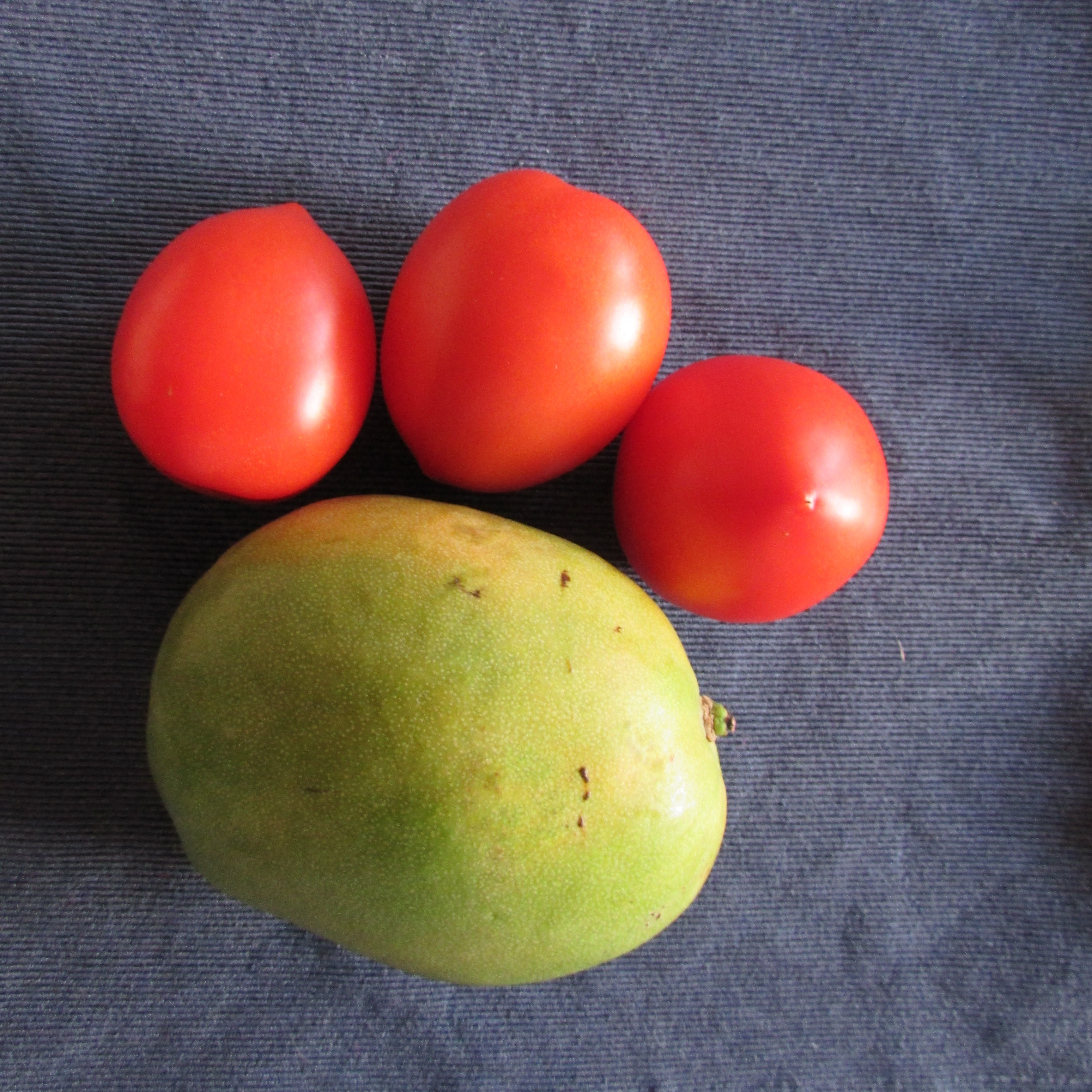
3 cloves garlic, minced
1/2 square inch ginger, minced
1 hot pepper (naga, scotch bonnet or your own personal favourite) minced
1 tbsp each of curry powder and cinnamon
1 tsp turmeric
50g ground almond
500ml water
1 tbsp honey
1 knob butter
Salt, to taste
Handful of flaked almonds, toasted, to serve
Method
Step 1: Fry onion, garlic, ginger, pepper and spices in butter on a low heat for about 2-3 minutes. Careful with the pepper — too high a heat and it may induce a coughing attack!
Step 2: Add the potato chunks and continue frying for another 2-3 minutes.
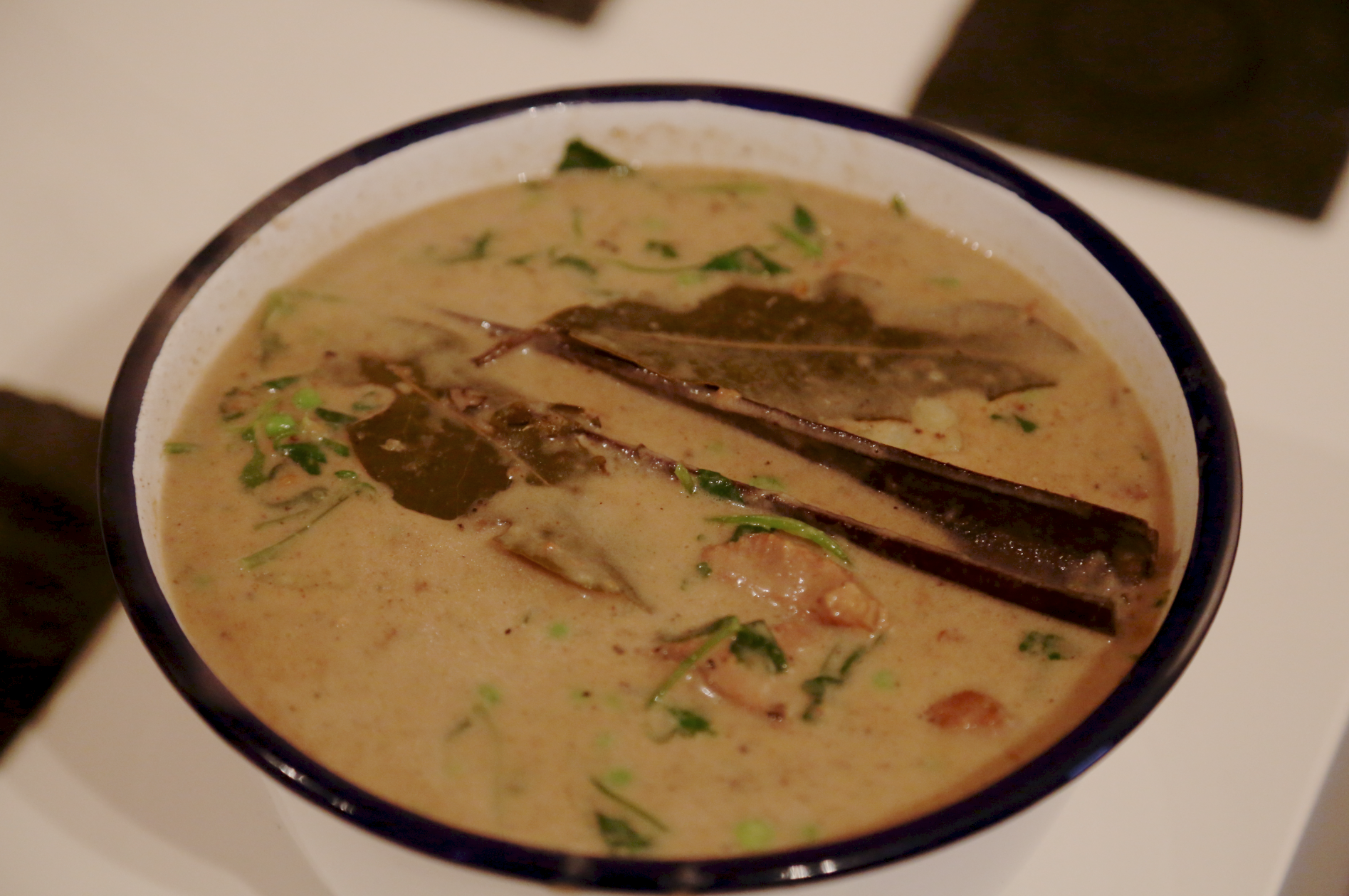
Step 3: Remove skins from tomatoes by slitting their skin with a sharp knife and dunking in a pot of boiling water for a minute or two. Take them out and the skin should slip right off. Place the tomatoes and mango chunks in a pot, bowl or food processor and blend until smooth. Add this mixture to the potatoes and spices and allow to simmer for about 20 minutes on a medium-low heat.
Step 4: Stir in ground almond, cover and allow to simmer for another 5 minutes or so.
Step 5: Add yellow bell pepper and simmer for another 3 minutes or so.
Step 6: At this point you might want to taste it to see how much salt it needs. I usually add a tbsp of honey as well, to sweeten it up, and have even been known to add bicarbonate of soda when I discovered that the mango I had used was particularly sour. The bicarb will bring down the acidity like magic – but be really, really careful about how much you add because if you put in too much it will taste soapy and salty. If that does happen, you can always increase the quantities of everything else to bring it back into harmony – but that’s a pain, so just be careful!
Step 6: Finally, add the prawns, which should be peeled and decapitated. (Yup. I’m keeping it.) It’s best to get fresh prawns from a fishmongers. If you can’t do that, however, I recommend raw and frozen. Cooked – whether frozen or not – are gross and fishy tasting. Really unpleasant and only to be used if you really can’t find anything else.
You can pretty much turn off the heat as soon as the prawns go in because they need very little cooking – but if that freaks you out then by all means, keep cooking for another couple of minutes.
Step 7: Sprinkle with toasted, flaked almonds and serve!

 oreillyskitchen.com